Transaction Data Patterns Revealing Pathways to Higher Tiers in Virtual Gaming Loyalty Programs
Written by Felix Russell · May 28, 2026
Transaction Data Patterns Revealing Pathways to Higher Tiers in Virtual Gaming Loyalty Programs
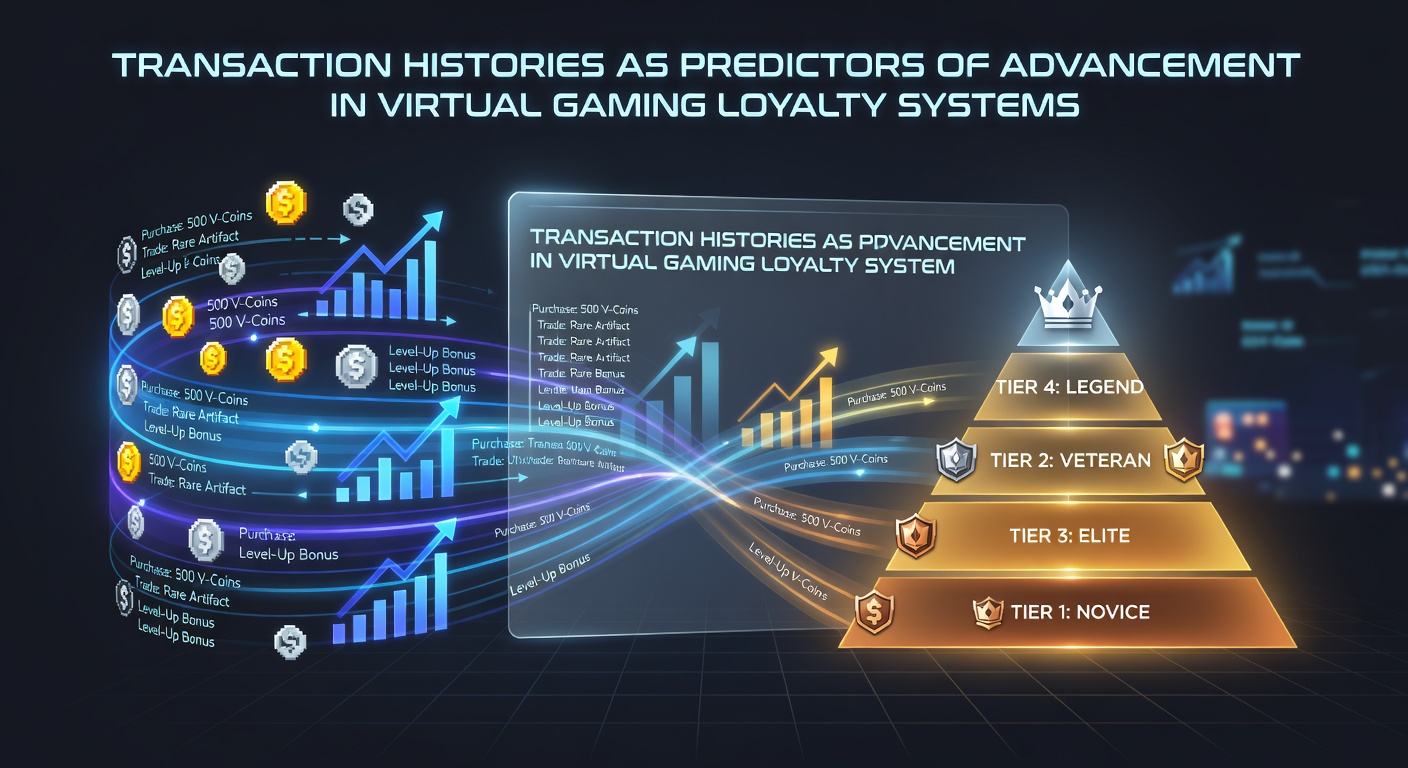
Transaction histories serve as core datasets within virtual gaming loyalty systems, where platforms track deposits, withdrawals, bet volumes, and session frequencies to model player progression. These records feed into algorithmic frameworks that forecast eligibility for tier advancements, bonus allocations, and personalized incentives across slots, table games, and sports betting environments.
Data Elements Driving Predictive Models
Platforms compile multiple transaction variables to build predictive profiles, including deposit frequency over rolling 30-day windows, average transaction size, preferred payment methods, and patterns of cashouts versus reinvestments. Researchers at academic institutions have noted that consistent high-volume deposits paired with moderate withdrawal rates often correlate with faster tier climbs, because such behaviors signal sustained engagement rather than one-off activity. Algorithms weigh these factors against historical benchmarks drawn from millions of accounts, allowing systems to assign probability scores for upcoming promotions or status upgrades.
Payment method stability also factors into the calculations, as repeated use of verified accounts tends to reduce risk flags and accelerate approvals for elite perks. Data from industry reports indicate that players maintaining steady transaction rhythms across multiple game categories receive higher advancement predictions than those concentrating activity in single verticals.
Algorithmic Integration and Real-Time Adjustments
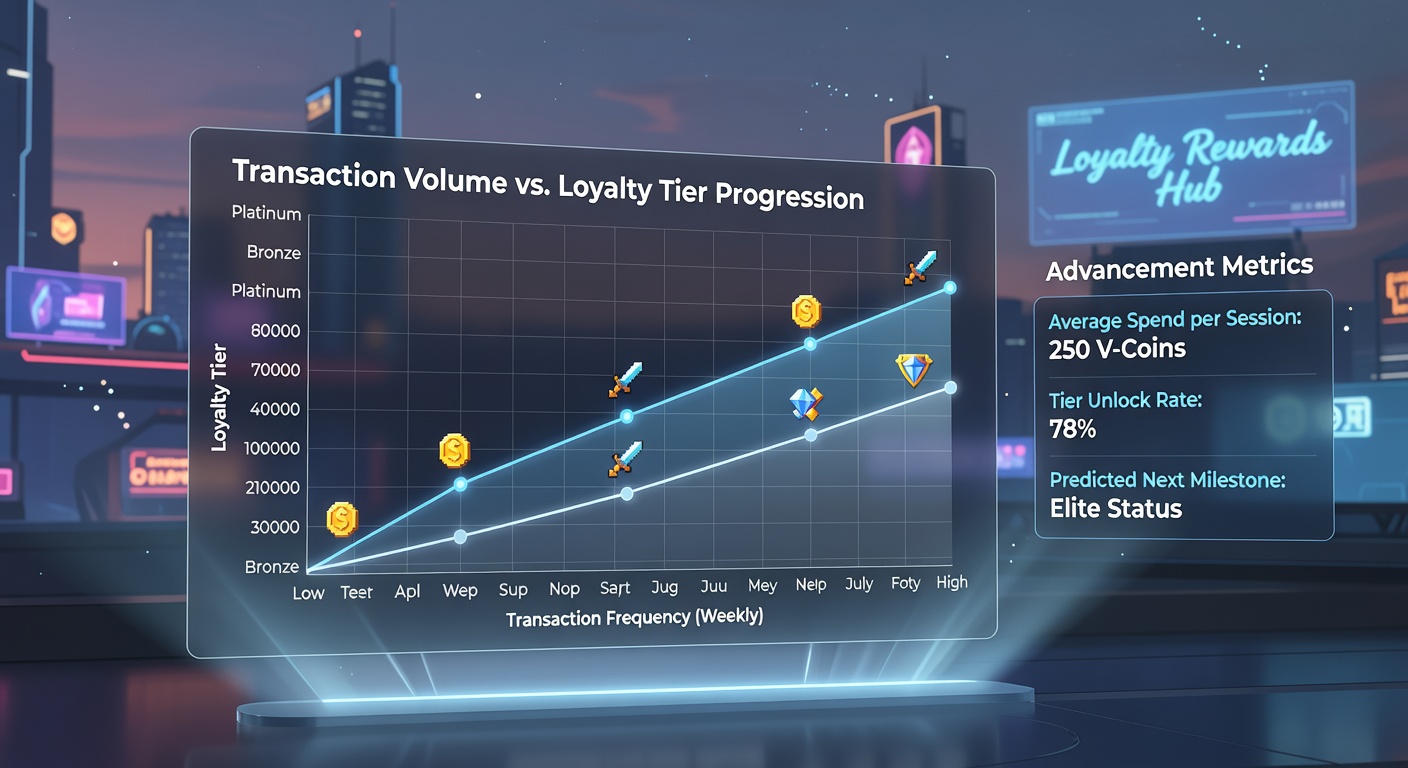
Modern loyalty engines incorporate machine learning layers that update predictions daily based on incoming transaction streams. When a player's deposit pattern shifts upward while maintaining low dispute rates, the model recalibrates the advancement timeline, sometimes shortening the path to the next tier by several weeks. Observers note that platforms adjust weighting coefficients seasonally, placing greater emphasis on sports betting volume during major events and shifting focus to slot activity during quieter periods.
Integration with live dealer and table game logs adds another dimension, because transaction timestamps aligned with peak hours provide additional signals of commitment. Systems cross-reference these timestamps against global activity baselines to refine forecasts, ensuring that localized spikes do not distort overall projections.
Regional Regulatory Influences on Data Usage
Regulatory frameworks shape how transaction data may inform loyalty predictions, with different jurisdictions imposing distinct transparency and consent requirements. In Nevada, the Gaming Control Board oversees reporting standards that affect how operators structure their predictive models, while Ontario's iGaming regulator emphasizes player data portability provisions that influence model retraining cycles. Australian authorities through the Australian Communications and Media Authority have published guidelines on responsible data analytics that platforms reference when calibrating advancement thresholds.
These varying rules create operational differences across markets, yet core predictive logic remains consistent because transaction volume and velocity serve as universal indicators regardless of geography. Platforms operating in multiple regions maintain separate model versions to comply with local mandates while preserving analytical accuracy.
Case Examples from Platform Implementations
One European operator documented how transaction clustering techniques identified a subset of players whose deposit regularity preceded tier jumps by an average of 18 days, prompting the introduction of interim milestone rewards to maintain momentum. Another North American platform applied survival analysis to withdrawal patterns and discovered that players who reduced cashout frequency after reaching mid-tier status advanced more reliably than those maintaining higher withdrawal ratios. Such findings prompted adjustments to bonus structures that reward retention of balances rather than immediate payouts.
Industry associations have compiled anonymized datasets showing that multi-channel transaction activity, spanning both casino and sports products, produces stronger predictive signals than single-channel concentration. These aggregated insights help smaller operators benchmark their internal models against broader market trends without compromising individual player privacy.
Privacy Considerations and Model Transparency
Data protection regulations require platforms to disclose the primary factors used in advancement predictions upon player request. Operators respond by publishing high-level explanations of transaction-based scoring while withholding proprietary algorithm details. This balance maintains competitive advantage while meeting accountability standards set by regional authorities. Players receive periodic summaries highlighting which behaviors most influenced their current tier trajectory, allowing informed adjustments to transaction habits.
Encryption protocols and access controls protect transaction histories throughout the analytical pipeline, and independent audits verify that models do not incorporate prohibited variables such as demographic inferences outside explicit consent boundaries.
Emerging Trends as of May 2026
As of May 2026, several major platforms have begun testing federated learning approaches that train advancement models across decentralized datasets, reducing the need to centralize sensitive transaction records. Early results suggest these methods preserve predictive power while lowering cross-border data transfer risks. Concurrently, integration of real-time payment rails has shortened the feedback loop between transactions and tier updates, enabling near-instant recognition of qualifying activity in select markets.
Conclusion
Transaction histories function as reliable inputs for forecasting loyalty tier advancements because they capture behavioral continuity and engagement depth across virtual gaming platforms. Regulatory variations across jurisdictions influence implementation details, yet the underlying statistical relationships between transaction patterns and progression outcomes remain stable. Continued refinement of algorithmic techniques and privacy safeguards will shape how these predictive systems evolve in coming periods, with platforms adapting models to new payment technologies and regional requirements while preserving core analytical validity.