Texas Casino Rush: Sands Corp. Bets Big on Dallas with Mavericks Stake, Tribes Gear Up for Fight
Written by Zara Weber · Apr 19, 2026

Texas Casino Rush: Sands Corp. Bets Big on Dallas with Mavericks Stake, Tribes Gear Up for Fight
The High-Stakes Push Hits Texas Legislature
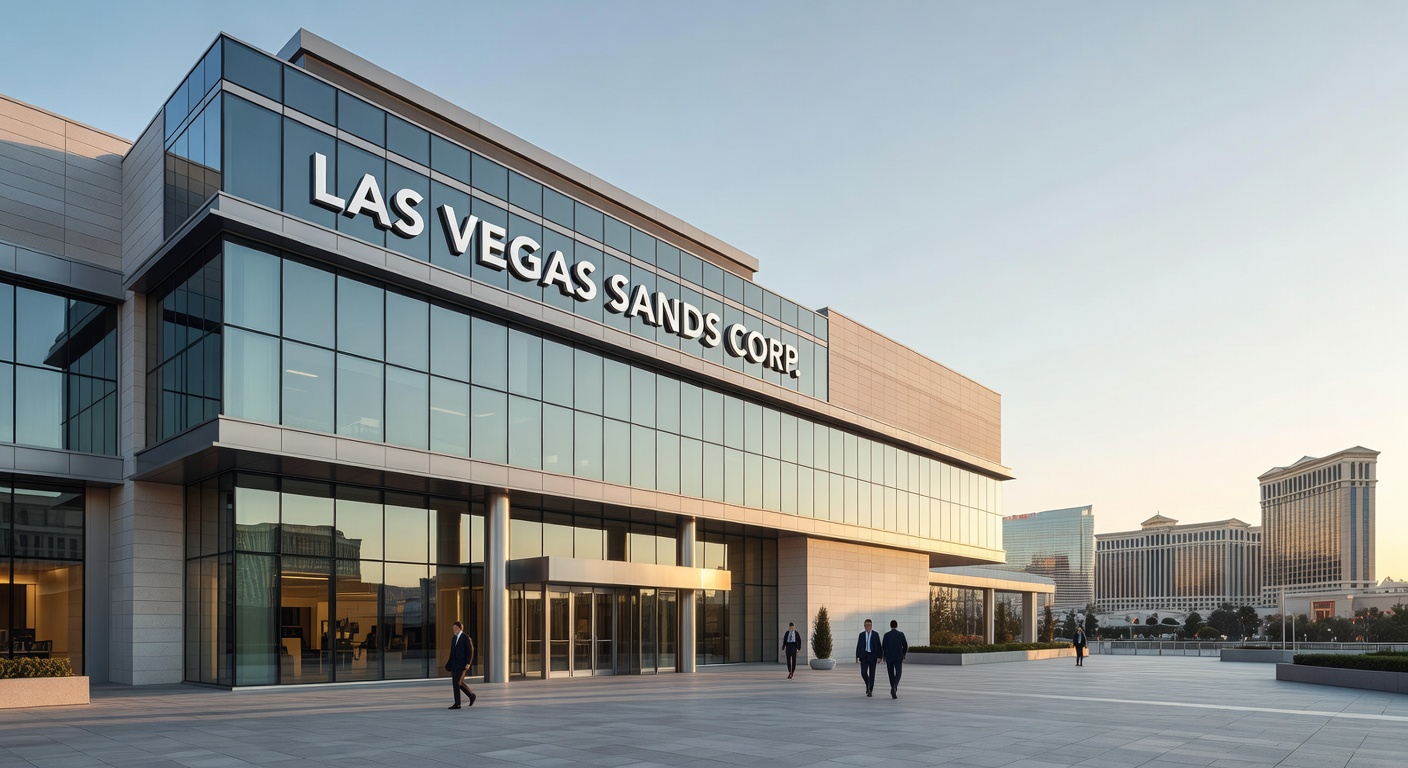
Las Vegas Sands Corp., under the leadership of Miriam Adelson, ramps up efforts to legalize casino gambling in Texas ahead of the 2027 legislative session, targeting the Dallas and North Texas area for what could become the state's first commercial casino. The company, fresh off acquiring a majority stake in the Dallas Mavericks basketball team back in 2023, leverages that ownership to bolster its position, positioning itself as a key player in the region's entertainment landscape. Observers note how this move intertwines sports fandom with gaming ambitions, creating a unique pitch to lawmakers and locals alike.
But here's the thing: the path forward isn't smooth, as competition brews from neighboring Oklahoma's Native American tribes, including the Chickasaw and Choctaw Nations, who've spent years laying groundwork for their own expansions into Texas territory. Choctaw Nation Chief Gary Batton has voiced their readiness, emphasizing long-term preparations that give them a head start in the race. That said, political headwinds blow strong too, with Texas Lt. Gov. Dan Patrick standing firm in opposition, a stance that's shaped past sessions and could do so again.
What's interesting surfaces in the timing: this all heats up following a detailed report published in April 2026 by The Real Deal, which outlines the multibillion-dollar investments Sands plans to pour into the effort. Figures reveal Sands' commitment runs deep, with Adelson's vision driving a strategy that promises jobs, tourism boosts, and revenue streams for a state long resistant to full-scale casinos.
Sands Corp.'s Dallas-Focused Playbook
Miriam Adelson, who took the reins at Las Vegas Sands following her late husband Sheldon's legacy, directs this Texas initiative with precision, drawing on the company's global expertise in integrated resorts that blend casinos, hotels, and entertainment. The Mavericks stake, secured in 2023 for a reported $3.5 billion, serves as more than a sports investment; experts observe it positions Sands to propose casino developments near the American Airlines Center, tapping into the team's fanbase of millions who already flock to Dallas for games.
Take one scenario researchers have modeled: a North Texas casino could mirror successes like Sands' properties in Las Vegas or Singapore, generating thousands of construction jobs initially, followed by permanent roles in hospitality and gaming. Data from the American Gaming Association indicates commercial casinos nationwide contribute over $100 billion annually to economies, a benchmark Sands highlights in its Texas pitch. And while Texas already permits horse racing and lotteries, full casino legalization remains elusive, making 2027 a pivotal moment.
Turns out, Sands isn't starting from scratch; the company has lobbied Texas lawmakers for years, but the Mavericks connection adds fresh leverage, allowing proposals that link casino revenue to sports arena upgrades or community benefits. People who've followed Adelson's moves know her track record: transformative investments that turned visions into economic powerhouses, now aimed squarely at the Lone Star State.
Tribal Powerhouses Enter the Fray
Across the Red River, the Chickasaw and Choctaw Nations prepare their counters, operating dozens of casinos in Oklahoma that draw Texas visitors frustrated by the lack of local options. Chief Gary Batton of the Choctaw Nation states they've readied for this expansion for years, pursuing tribal-state compacts that could grant them exclusive rights to casinos on Texas soil, bypassing commercial licensing altogether. It's noteworthy that tribes already negotiate such deals nationwide, as seen in states like New Mexico and Washington, where compacts have funneled billions back to tribal communities and state coffers.
So why the edge? Oklahoma tribes benefit from federal sovereignty, meaning Texas lawmakers must craft compacts under the Indian Gaming Regulatory Act of 1988, a process that's slowed expansions elsewhere but hasn't deterred these nations. One study from the Texas Legislative Budget Board underscores how tribal gaming could impact state revenues differently than commercial operations, with tribes often retaining a larger share while contributing via exclusivity fees.
Observers point out the irony: Texans cross state lines weekly to Oklahoma casinos, pouring an estimated $2 billion yearly into tribal economies, per industry trackers, yet homegrown options lag. Now, with Sands pushing commercial licenses, tribes counter that their model preserves cultural sovereignty while delivering similar economic perks.
Political Opposition Looms Large
Lt. Gov. Dan Patrick, who controls the Texas Senate's agenda, has repeatedly blocked casino bills, citing concerns over crime, addiction, and moral decay, positions echoed in prior sessions where measures died in committee. Although Patrick wields significant influence, the 2027 session brings a new House speaker and potential shifts in the 181-member Legislature, where proponents eye a slim path to victory.
Yet resistance runs deeper; religious groups, track owners fearing competition, and rural lawmakers wary of urban gains form a coalition that's thwarted efforts since the 1990s. That's where the rubber meets the road: Sands and tribes must navigate this minefield, presenting unified or competing arguments on how casinos fit Texas values.
Economic Study Set to Swing the Debate
Proponents gear up with an economic impact study slated for presentation at the session's start, projecting billions in tax revenue, tens of thousands of jobs, and tourism surges for North Texas. Researchers who've crunched similar numbers for other states, like Louisiana's riverboat casinos or Florida's tribal deals, find casinos boost GDP by 1-2% in host regions while creating multiplier effects in construction, retail, and hospitality.
It's not rocket science: visitors spend on hotels, dining, and attractions beyond gaming floors, a pattern Sands knows intimately from its Macau and Vegas operations. And although critics question long-term viability, data shows mature markets stabilize with responsible regulations, mitigating social costs through dedicated funds for problem gambling programs.
Looking Ahead to 2027 and Beyond
As April 2026's revelations settle, all eyes turn to Austin, where lobbyists from Sands, tribes, and opponents sharpen their strategies. The Mavericks' stake gives Sands a local anchor, tribes their sovereign rights, and the study a data-driven hook, but Patrick's veto power remains the wildcard. People who've watched Texas gaming debates unfold over decades note patterns: incremental wins, like 2021's sports betting flirtation, hint at softening attitudes amid budget pressures.
Now, with population growth straining Texas coffers and neighboring states cashing in on gaming, the writing's on the wall for change, albeit slowly. One case that comes to mind involves Alabama's 2022 lottery approval after years of stalemates, showing how persistence pays off when economics align with politics.
Conclusion
The race for North Texas's first casino boils down to Sands' bold Dallas vision clashing with tribal tenacity and political barriers, all underscored by an incoming economic blueprint. While Miriam Adelson's Las Vegas Sands Corp. invests heavily for 2027, drawing on its Mavericks foothold, Chickasaw and Choctaw preparations add fierce rivalry, and Lt. Gov. Patrick's opposition tests resolve. Studies and precedents suggest potential windfalls, yet outcomes hinge on legislative maneuvers in the session ahead, marking a defining chapter for Texas gaming.