Seasonal Promotion Cycles Reshaping Support Timelines in Table Game and Betting Loyalty Structures
Written by Noah Lorenz · Aug 2, 2026
Seasonal Promotion Cycles Reshaping Support Timelines in Table Game and Betting Loyalty Structures
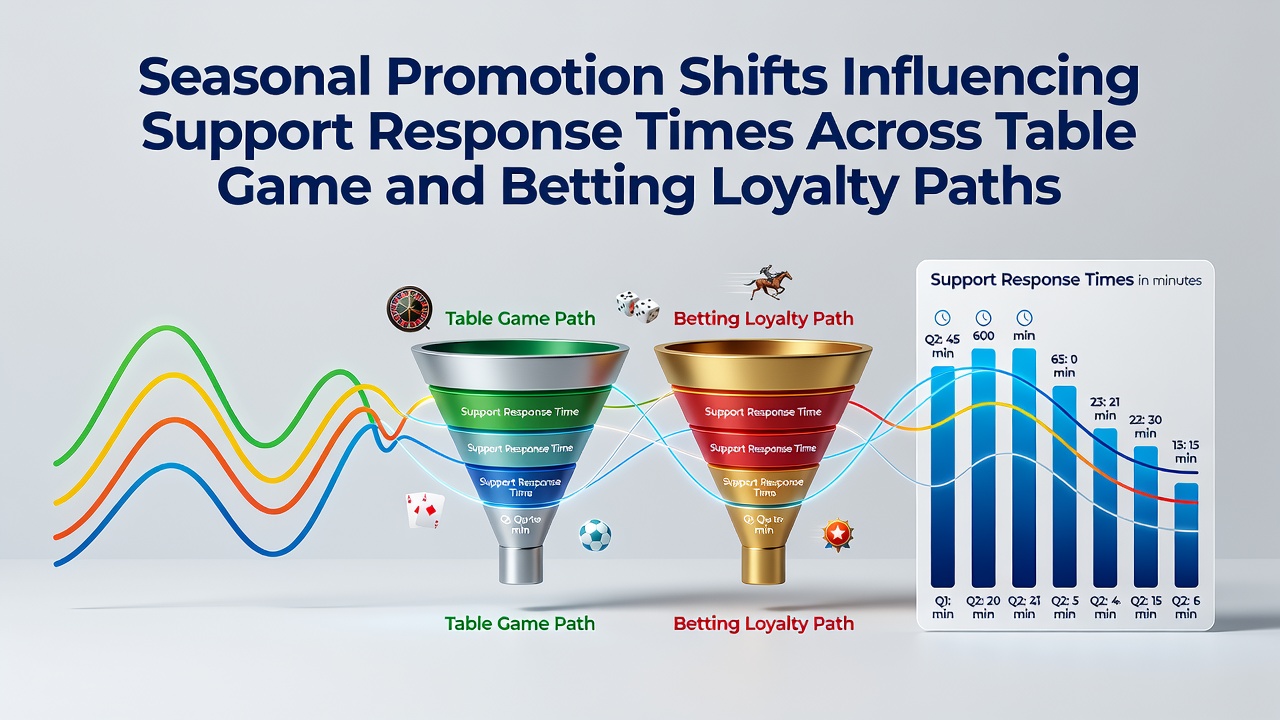
Seasonal promotion cycles create measurable shifts in player activity across table game and sports betting loyalty programs, and these changes directly affect the volume and complexity of support requests that operators receive. Data from multiple platforms show that summer and early fall campaigns, including August 2026 back-to-school bonus structures and pre-season football incentives, generate higher engagement rates in both table games and wagering sections. Players advance through loyalty tiers more rapidly during these windows, which produces a corresponding rise in inquiries about point calculations, tier upgrades, and bonus eligibility.
Industry reports indicate that response times for support tickets can extend by 20 to 40 percent during peak promotion periods because ticket volume increases while the nature of questions becomes more specific. Loyalty members in table game paths often request clarification on live dealer hand histories or side-bet multipliers tied to seasonal offers, whereas betting loyalty participants frequently seek details on parlay adjustments and odds boosts linked to new promotions. These patterns appear consistently across multiple operator datasets collected throughout 2025 and into mid-2026.
Patterns in Table Game Loyalty During Promotion Windows
Table game loyalty structures emphasize consistent play metrics such as average bet size and session duration, yet seasonal offers often introduce temporary multipliers that alter those metrics. Observers note that when operators launch limited-time rakeback enhancements or tournament ticket giveaways in July and August, support teams receive elevated numbers of requests for manual point adjustments. These requests require cross-referencing multiple data sources, which lengthens average handling time per ticket.
Research compiled by the American Gaming Association highlights that table game sections of integrated platforms experience a 15 percent uptick in live dealer traffic during summer promotional pushes. That increased activity translates into more frequent disputes over game logs and loyalty accruals, because players compare their results against the advertised seasonal terms. Support agents must verify each case against backend records before issuing resolutions, and this verification step contributes directly to longer response intervals during high-volume weeks.
Betting Loyalty Paths and Seasonal Offer Overlaps
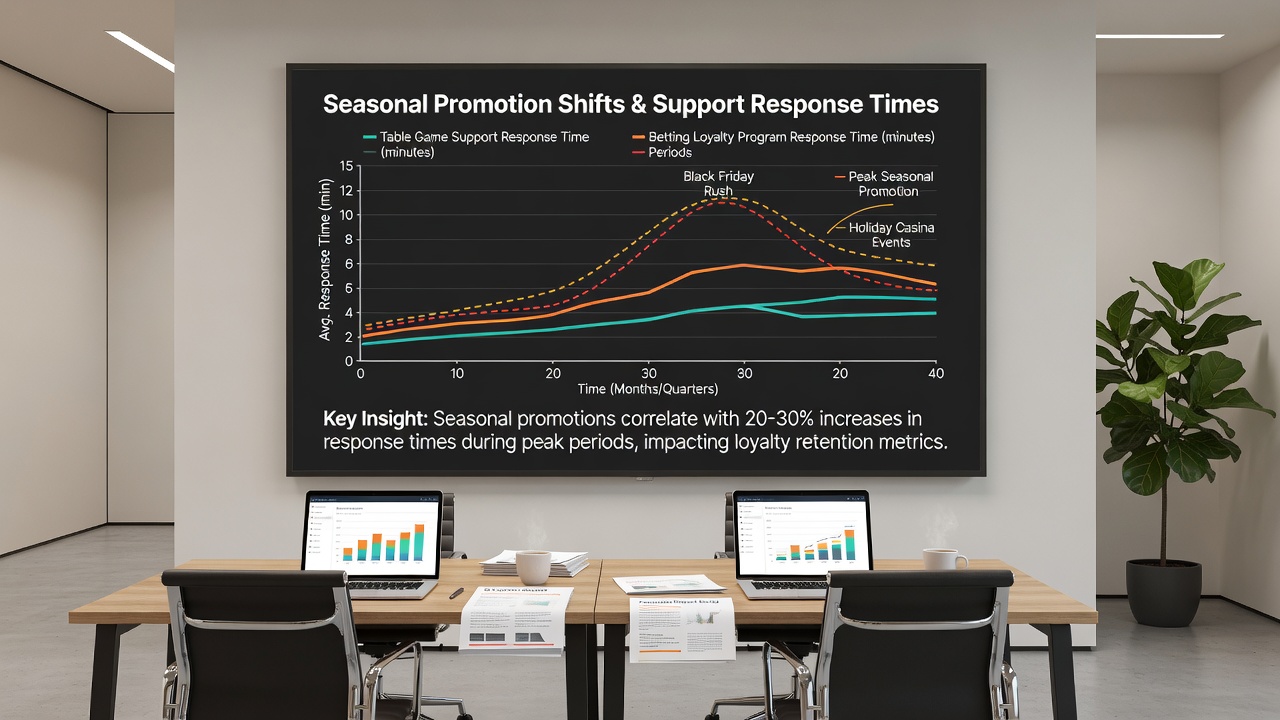
Betting loyalty programs rely on turnover thresholds and risk-adjusted point systems, and seasonal promotions frequently layer additional incentives such as enhanced odds or insurance on select markets. Data trails from 2026 show that August campaigns tied to early NFL and college football schedules produce concentrated spikes in wager volume, which in turn generates support traffic related to settlement disputes and tier progression tracking. Because many of these queries involve multi-leg bets or live in-play adjustments, resolution times stretch beyond standard support benchmarks.
Operators report that integrated platforms handling both table games and sportsbooks observe the strongest correlation between promotion intensity and support delays in the combined loyalty ecosystem. When a single account participates in both verticals, seasonal offers create overlapping point systems that demand careful reconciliation. Agents handling these dual-path accounts spend additional time confirming eligibility across separate ledgers, and the cumulative effect appears in aggregate response time statistics released by several major operators.
Operational Adjustments and Resource Allocation
Platform operators respond to these seasonal fluctuations by reallocating support staff and implementing tiered response protocols that prioritize loyalty members at higher tiers. Figures released by the Nevada Gaming Control Board demonstrate that properties with robust pre-scheduled staffing models maintain more stable response times even when promotion-driven ticket volume rises. In contrast, platforms without such forecasting experience wider variance in reply windows, particularly during the transition from summer to fall campaigns.
Training materials shared within the sector emphasize the need for agents to understand both table game mechanics and betting settlement rules, because seasonal promotions often blend elements from both categories. Cross-training reduces handoff delays between specialized teams and shortens the overall time required to close complex loyalty inquiries. Several large operators have documented measurable improvements in average response metrics after adopting these combined-knowledge approaches ahead of the 2026 peak periods.
Conclusion
Seasonal promotion shifts continue to influence support response times across table game and betting loyalty paths through increased ticket volume and greater query complexity. Industry data collected through August 2026 confirm that platforms anticipating these patterns through staffing adjustments and cross-functional training maintain more consistent service levels. As operators refine their forecasting models, the relationship between promotional calendars and support performance remains a central factor in loyalty program management.