Payment Systems and Loyalty Structures in Digital Slot and Betting Environments
Written by Rosa Becker · Jun 2, 2026
Payment Systems and Loyalty Structures in Digital Slot and Betting Environments
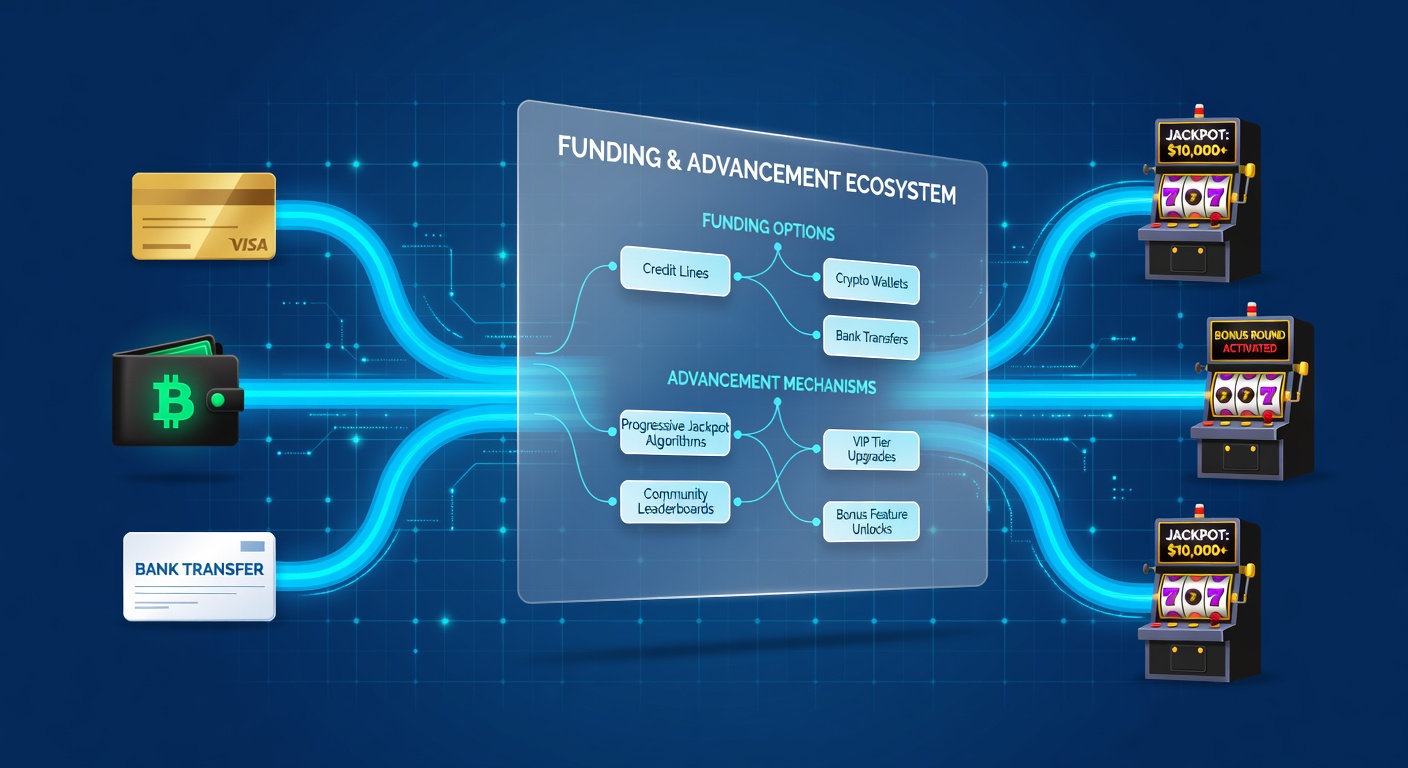
Digital slot and betting communities rely on varied funding options that directly influence how participants advance through loyalty structures and reward tiers; observers note these connections shape everything from initial deposits to long-term progression pathways. Research from industry reports shows that payment methods such as e-wallets, bank transfers, and cryptocurrency options often carry different processing speeds and fee structures, which in turn affect bonus eligibility and points accumulation rates in virtual gaming settings.
Data indicates that platforms integrate these funding choices with advancement mechanisms by assigning higher multipliers or faster tier climbs to certain transaction types, while slower methods may limit immediate access to premium features. Those who've examined platform architectures find that seamless payment integrations frequently unlock additional progression tools, creating measurable differences in how quickly users reach higher loyalty levels.
Core Funding Mechanisms in Virtual Gaming
Participants encounter multiple deposit avenues including credit cards, prepaid vouchers, instant bank links, and digital currencies, each carrying distinct verification requirements and transaction limits. Studies reveal that platforms prioritize methods with lower chargeback risks, granting them preferential treatment in loyalty calculations and bonus distributions. In June 2026 regulatory updates across several jurisdictions highlighted standardized reporting for these payment channels, leading operators to refine their advancement algorithms accordingly.
Transaction data patterns demonstrate clear correlations between funding speed and tier movement, since rapid deposits often trigger instant point awards that accelerate progression through bronze, silver, and gold categories. Experts have observed that cryptocurrency options, with their blockchain transparency, sometimes receive elevated status in these systems because they reduce fraud exposure and streamline verification processes.
Advancement Mechanisms and Reward Ladders
Loyalty programs operate through point-based systems where every wager contributes to tier status, yet the initial funding method can modify the base earning rate. Research indicates that certain payment providers partner directly with operators to offer co-branded perks, such as double points on the first deposit or exclusive access to higher-tier events. These integrations create pathways where funding choices become entry points to accelerated advancement rather than neutral transactions.
Observers note that VIP elevations depend on consistent activity combined with payment reliability, since platforms track metrics like deposit frequency and average transaction size to determine eligibility. Data from multiple operators shows that users favoring instant funding methods reach elite tiers at higher rates because they maintain steadier engagement without processing delays interrupting their momentum.
Interconnections Between Funding and Progression
The relationship deepens when operators embed payment preferences into their tier algorithms, assigning weighted values that favor certain gateways over others. Figures reveal that e-wallet users often experience faster cashout approvals once they reach advanced tiers, which reinforces continued use of those same funding channels and further entrenches their position in the loyalty structure. This creates feedback loops where early payment decisions influence long-term advancement trajectories.
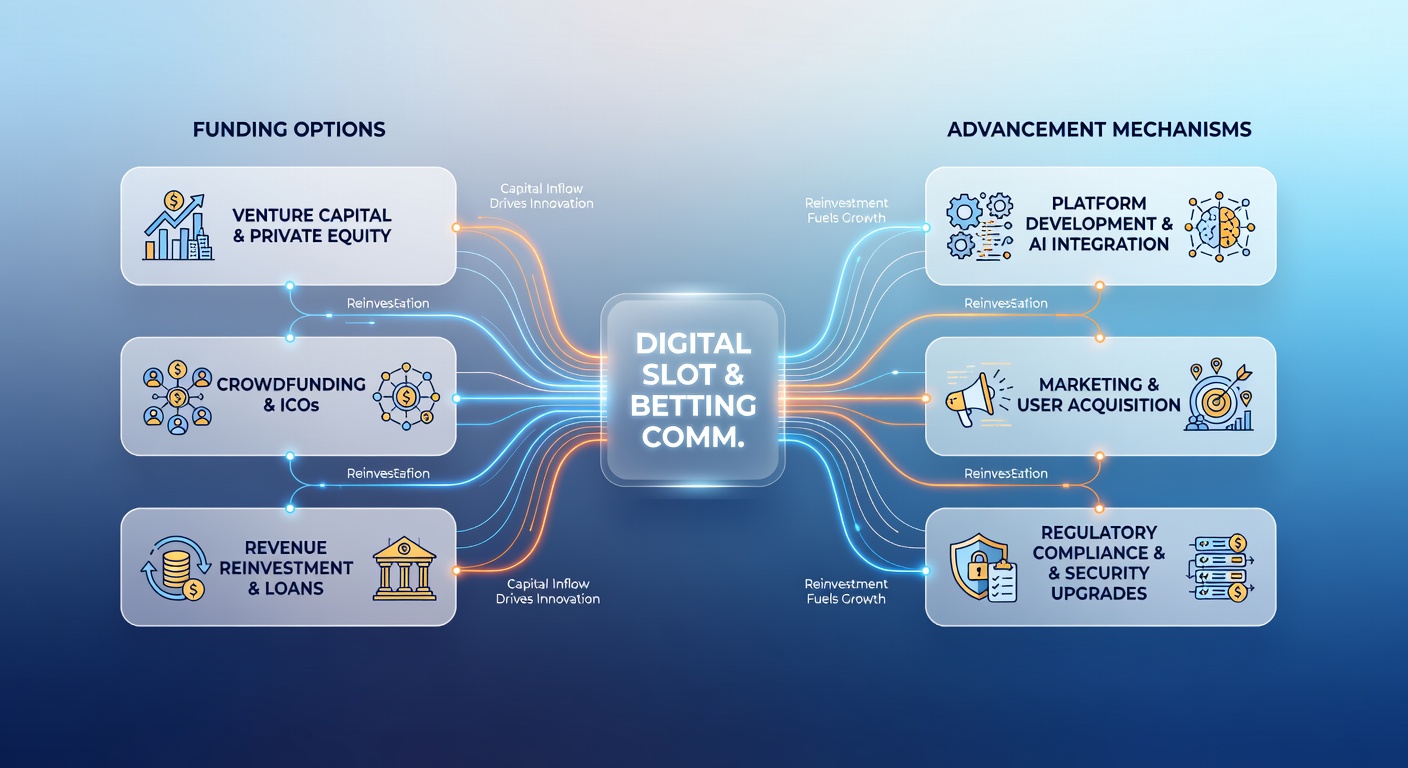
According to analysis by the American Gaming Association, integrated payment and loyalty systems have grown more sophisticated, with real-time data sharing allowing platforms to adjust advancement rules based on funding patterns. Researchers at several academic institutions have documented similar trends, noting that platforms using diversified payment partnerships report higher retention across all loyalty tiers because users encounter fewer barriers when moving between deposit options and reward claims.
What's interesting is how regional regulations in places like Ontario and Australia shape these interconnections, since local rules on transaction transparency affect which funding methods qualify for bonus multipliers. Platforms adapt by highlighting compliant options that simultaneously support both smooth deposits and rapid tier progression, demonstrating practical overlaps between regulatory compliance and user advancement strategies.
Case Examples from Platform Operations
One operator implemented a tiered bonus system where bank transfer deposits unlocked additional loyalty points compared to card payments, resulting in measurable shifts in user behavior toward those methods. Another platform introduced cryptocurrency incentives that accelerated VIP movement for qualifying deposits, showing how emerging funding options can redefine traditional advancement pathways in digital slot and betting environments.
Evidence suggests these interconnections extend to support networks as well, where higher-tier users receive dedicated assistance for payment-related issues that might otherwise stall their progression. Industry reports confirm that resolving funding friction at advanced levels helps maintain momentum through loyalty ladders, reinforcing the operational ties between transaction systems and reward mechanisms.
Conclusion
Funding options and advancement mechanisms in digital slot and betting communities operate as interconnected systems where payment choices directly influence tier progression rates and reward accessibility. Data from regulatory bodies and industry analyses shows these linkages continue evolving with new transaction technologies and jurisdictional requirements, creating structured environments where initial deposit decisions carry lasting effects on user advancement. Observers expect further refinements as platforms refine algorithms to balance payment diversity with loyalty incentives through 2026 and beyond.