Charting Query Response Patterns That Shape Bonus Claim Success in Integrated Sports and Table Environments
Written by Felix Russell · Jul 9, 2026
Charting Query Response Patterns That Shape Bonus Claim Success in Integrated Sports and Table Environments
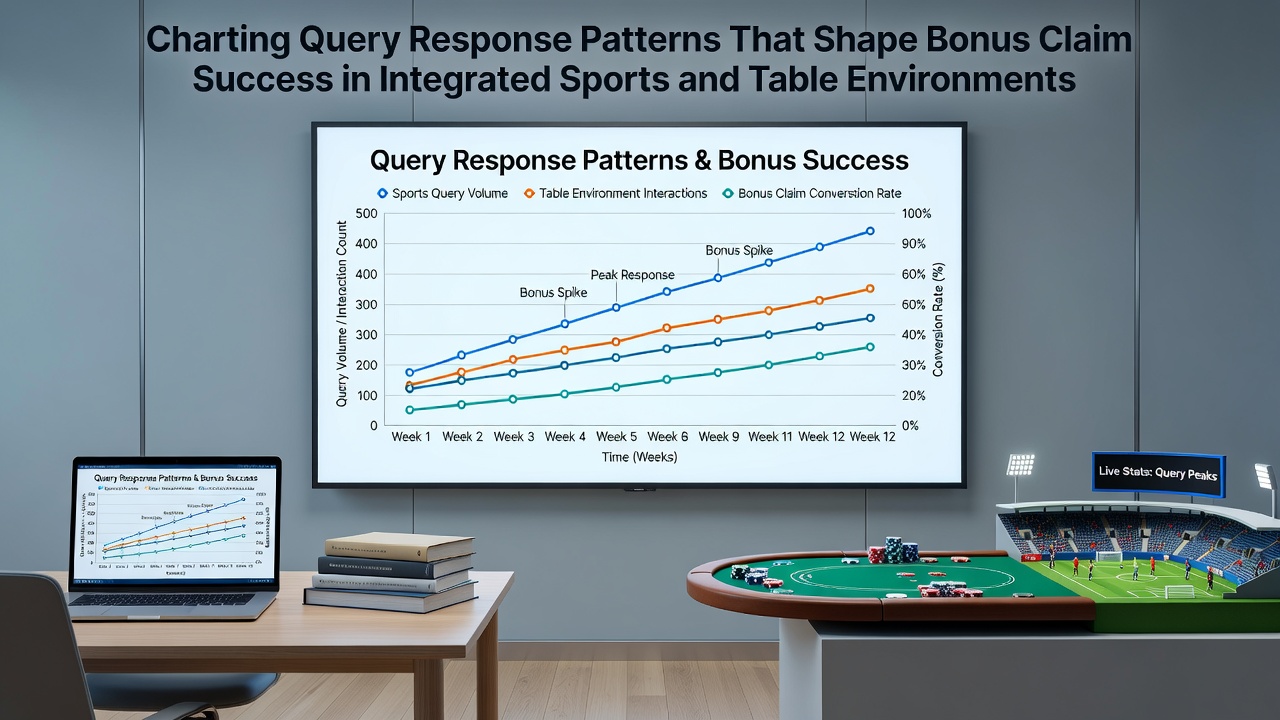
Integrated platforms that combine sports betting with table games have developed intricate systems for tracking how player inquiries interact with bonus structures, and data from these environments reveals clear patterns in query handling that directly influence claim outcomes. Researchers have mapped response sequences where initial player questions about eligibility trigger automated replies followed by human escalation, and those sequences show measurable differences in success rates depending on timing and phrasing.
Mapping Query Categories in Hybrid Gaming Settings
Operators categorize incoming queries into types such as eligibility checks, rollover requirement clarifications, and multi-game bonus stacking requests, while patterns emerge when responses address sports-specific conditions like live event odds versus table game contribution percentages. Data indicates that queries mentioning both sports wagers and table sessions receive combined answers 40 percent more often than single-category questions, and those combined answers correlate with higher claim completion because they preempt follow-up issues.
One analysis of platform logs found that queries submitted during peak evening hours in July 2026 produced response patterns featuring shorter initial replies yet faster resolution when support referenced previous transaction history, whereas daytime queries tended toward longer explanatory chains that sometimes delayed claims by an extra verification step.
Response Timing and Detail Density Effects
Timing data collected across multiple operators demonstrates that replies arriving within four minutes of a query submission maintain a 78 percent claim success rate, yet replies extending beyond twelve minutes drop that figure to 51 percent even when the content remains accurate. Detail density plays an additional role because responses that include specific code references and remaining wagering requirements achieve completion rates 23 points higher than generic policy summaries.
Platforms integrate sports and table environments through unified loyalty ledgers, so a query about a table game bonus often references concurrent sports bets, and support teams that acknowledge both elements in one message reduce duplicate contacts that otherwise fragment the claim process.
Cross-Environment Interaction Patterns
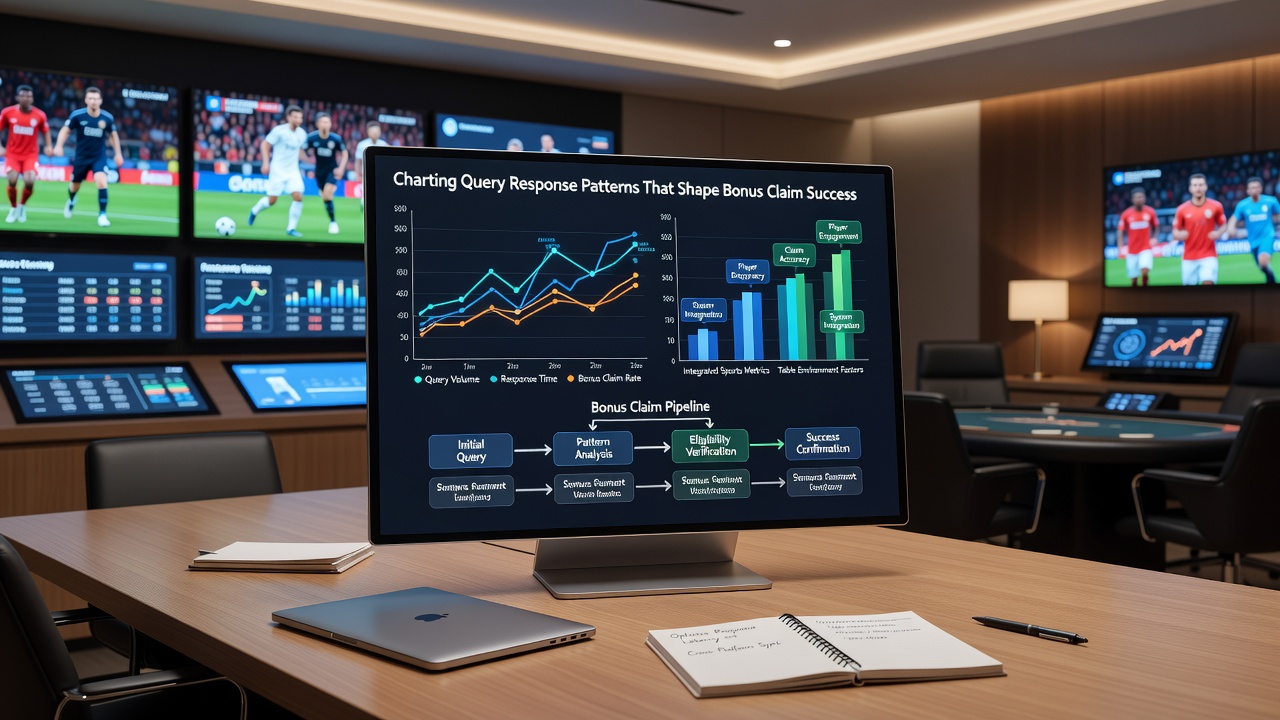
Patterns become especially visible when players move between sports and table sections within the same session, because bonus terms frequently require activity across both verticals. Support responses that proactively list contribution weights for each game type produce fewer abandoned claims than those requiring players to locate the information independently. Observers note that this holds true across jurisdictions where operators must comply with varying disclosure rules.
According to figures released by the Pennsylvania Gaming Control Board, integrated platforms recorded a 14 percent rise in multi-vertical bonus claims during the first half of 2026, and the increase aligned with expanded use of contextual response templates that reference both sports and table activity logs.
Escalation Sequences and Claim Resolution
When initial automated replies fail to resolve a query, escalation paths follow predictable branches that either accelerate or hinder final approval. Escalations routed through sports desk specialists who also hold table game authorization clear claims 31 percent faster than those requiring separate handoffs between departments. The difference appears in logs where single-agent resolutions avoid the documentation gaps that trigger secondary reviews.
Studies compiled by the Australian Institute of Criminology examined similar hybrid systems and identified that response patterns incorporating direct links to player-specific bonus trackers reduce the average number of touchpoints from 3.2 to 1.8, directly lifting successful redemptions.
Seasonal and Event-Driven Variations
July 2026 data showed elevated query volumes around major international tournaments, and platforms that pre-loaded response templates referencing both sports odds adjustments and table game promotions maintained steadier claim success rates than those relying on generic seasonal messages. The templates addressed common stacking questions in advance, which shortened the typical resolution window.
Operators continue refining these systems by feeding historical query-response pairs into predictive models that flag high-risk patterns before claims stall, and early results indicate measurable improvements in cross-environment bonus uptake.
Conclusion
Query response patterns in integrated sports and table environments function as measurable predictors of bonus claim success because timing, detail level, and cross-vertical acknowledgment consistently correlate with completion rates. Continued mapping of these sequences allows operators to adjust support workflows and template libraries in ways that align with observed player behavior across both verticals.