Adaptive Payment Channels Drive Reward Progression in Digital Reel Table Live and Betting Environments
Written by Rosa Becker · Jul 12, 2026

Adaptive Payment Channels Drive Reward Progression in Digital Reel Table Live and Betting Environments
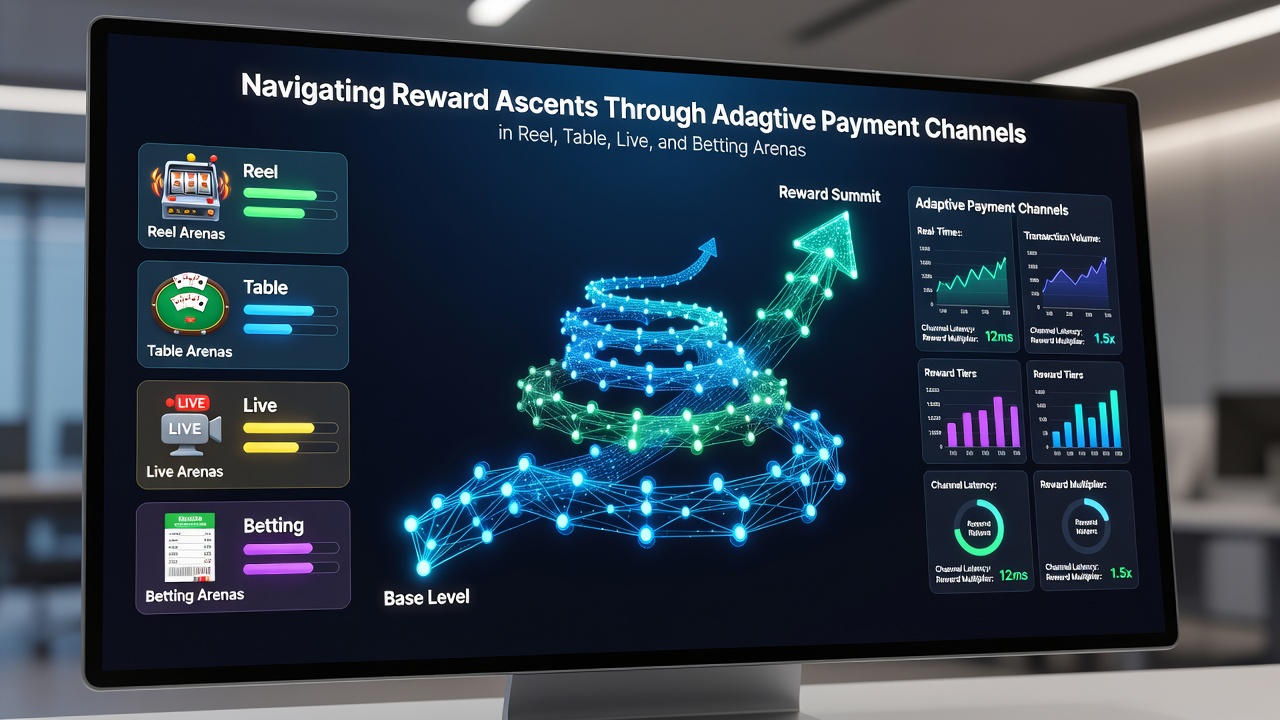
Payment systems have evolved to support layered reward structures where users advance through tiers by maintaining consistent transaction activity across multiple game types. Observers note that platforms integrate real-time processing tools which adjust based on deposit frequency withdrawal patterns and overall volume allowing participants to unlock benefits without manual intervention. Data from industry reports shows that such adaptations appear in reel-based games table formats live dealer sessions and sports wagering sections simultaneously.
Core Mechanics of Adaptive Payments
Systems track user behavior through automated channels that respond to spending habits and engagement levels while maintaining compliance with regional rules. Those who've studied transaction logs find that deposits made via e-wallets or instant bank transfers often accelerate point accumulation compared to slower methods because verification happens within minutes rather than hours. This speed matters in live dealer environments where session timing influences bonus eligibility yet the same logic applies to reel spins and table bets where cumulative activity feeds into tier calculations.
Researchers discovered that flexible withdrawal options encourage continued play because users regain access to funds quickly which in turn supports higher deposit cycles. According to figures from the European Gaming and Betting Association patterns emerge where players who utilize multi-channel payments reach mid-tier status faster than those limited to single options. The process involves algorithms that monitor account activity and suggest optimized routes such as combining card deposits with crypto transfers during promotional windows.
Application Across Game Categories
In reel environments adaptive channels handle micro-transactions that build loyalty points through frequent small deposits while table game sections benefit from larger structured payments that align with session lengths. Live dealer rooms require stable connections for uninterrupted play and payment integrations often include instant top-ups that prevent interruptions during high-stakes rounds. Betting arenas meanwhile use these channels to manage odds fluctuations with tools that lock in favorable rates once deposits clear.
One study revealed that integration between payment processors and loyalty dashboards reduces friction during transitions from slots to live tables or from table play to sports wagers. Observers note examples where users receive tier upgrades after completing cross-format challenges funded through adaptive methods. These challenges might include reaching a set number of spins followed by table participation and then placing wagers on specific events all tracked through unified transaction records.
July 2026 Industry Context
By July 2026 several platforms had implemented updated protocols following regulatory shifts in multiple jurisdictions. Data indicates that operators adjusted their payment flexibility features to accommodate new reporting requirements without slowing user progression rates. Those monitoring developments report that live and betting sections saw the most noticeable changes because these areas involve higher average transaction values and faster settlement needs.
Industry organizations such as the American Gaming Association have published guidance on maintaining seamless reward navigation during these updates. The guidance emphasizes secure verification layers that do not disrupt point accrual or tier advancement. Participants who combine multiple payment types often maintain steady progress even when individual channels face temporary restrictions.
Support Structures and Transaction Flexibility
Assistance networks tied to payment systems provide guidance on selecting optimal channels for specific reward goals. Experts have observed that users who consult these resources complete tier ascents more efficiently because they avoid mismatched methods that delay processing. In reel and table settings this might mean choosing instant options during bonus rounds while live environments favor channels with built-in dispute resolution for seamless continuity.
But here's the thing: patterns in transaction data show clear pathways where consistent use of adaptive features correlates with higher retention in loyalty programs. What's interesting is how these features scale across regions with different oversight bodies including those in Canada and Australia. Research indicates that platforms incorporating regional preferences into their payment logic see broader adoption rates among diverse user groups.
Conclusion
Adaptive payment channels continue to shape how participants navigate reward structures in reel table live and betting arenas. Evidence suggests that integration of flexible processing with loyalty tracking creates efficient progression routes supported by data from multiple sources. As systems refine further through 2026 and beyond observers expect continued alignment between transaction methods and tier benefits across all formats.